
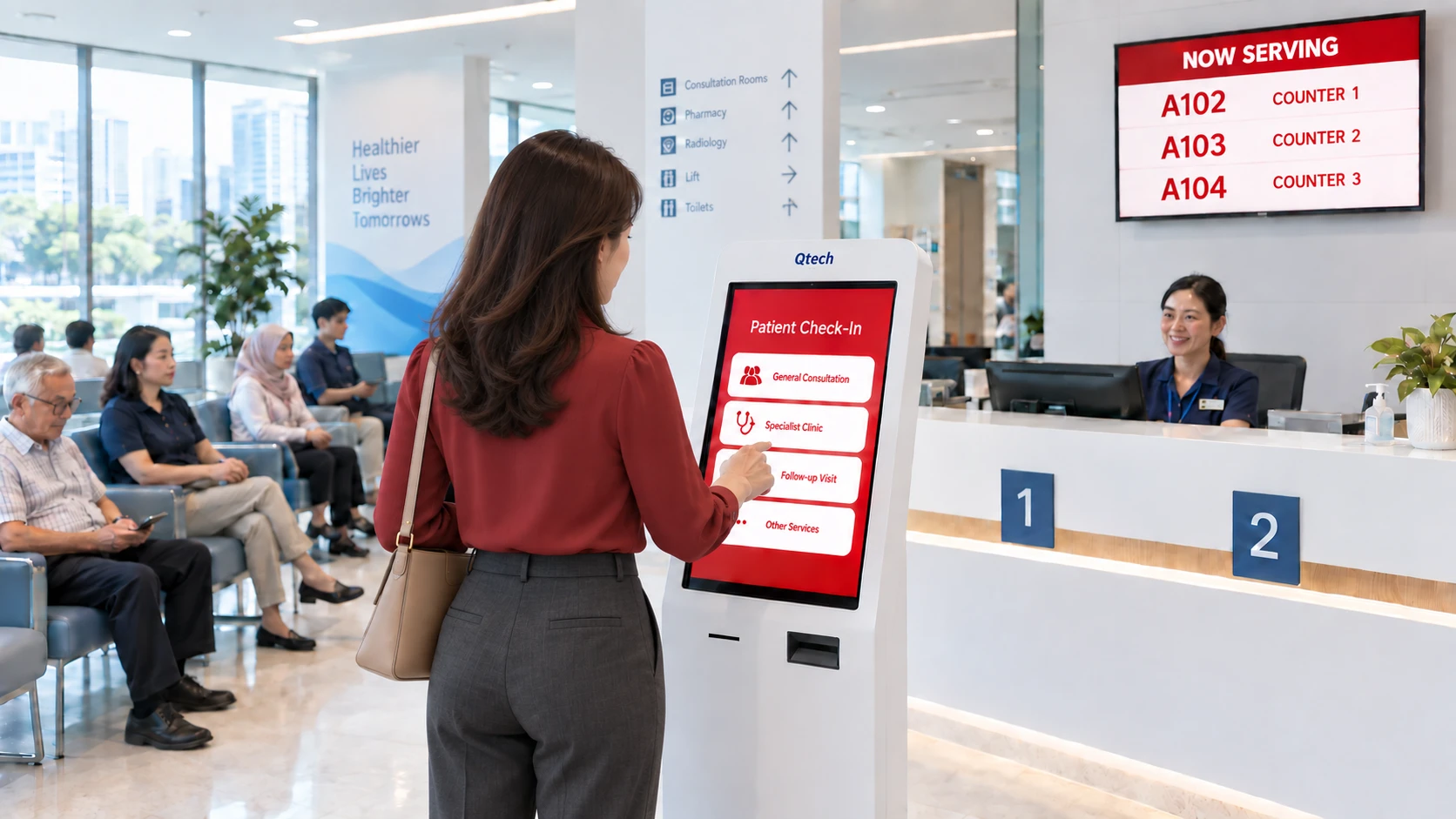
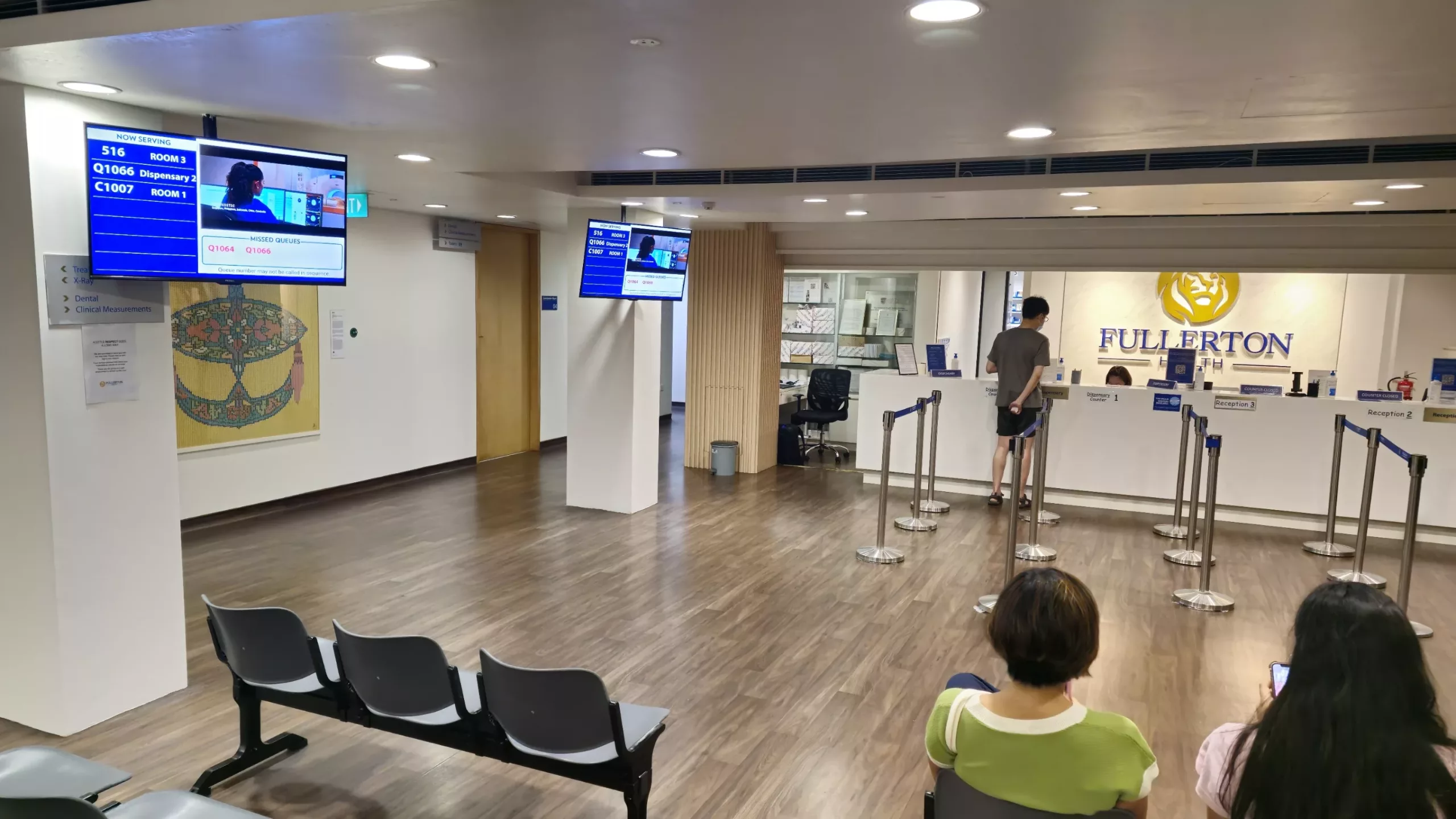
Clinics juggle walk-ins, appointments and multiple services, and long waits quickly frustrate patients and stretch staff. Qtech’s clinic queue management system streamlines the whole patient journey, from online booking to consultation, with QR virtual queues, automated SMS updates, and real-time tracking that keep patients informed and clinics running smoothly. Below: how it works, the features that matter for clinics, a real case study, and what to look for when choosing a system.

Introduction
With the ever-increasing demand for healthcare services, clinics face the challenge of managing patient queues effectively. A clinic queue management system is a software solution that aims to streamline the entire patient journey, from appointment scheduling to consultation. By automating processes and providing real-time updates, these systems enhance patient experience, optimize staff productivity, and streamline clinic operations.
The Importance of Efficient Clinic Queue Management
Enhancing Patient Experience
Long waiting times can be frustrating for patients, leading to dissatisfaction and negative reviews. An efficient queue management system allows patients to book appointments online, reducing the need for physical queues and minimizing wait times. Real-time updates keep patients informed about their queue status, empowering them to plan their visit better.
Optimizing Staff Productivity
Clinic staff often spend a significant amount of time managing queues manually. This can be a drain on resources and limit their ability to focus on providing quality care. With a queue management system in place, staff can dedicate more time to patient care, leading to increased productivity and improved job satisfaction.
Streamlining Operations
An organized and streamlined workflow is essential for efficient clinic operations. Queue management systems automate processes such as appointment scheduling, patient registration, and queuing. By digitizing these tasks, clinics can eliminate paperwork, reduce errors, and create a more efficient and patient-centric environment.
Key Features of a Clinic Queue Management System
A comprehensive clinic queue management system offers several key features that enhance operational efficiency and improve patient experience.
Online Appointment Booking
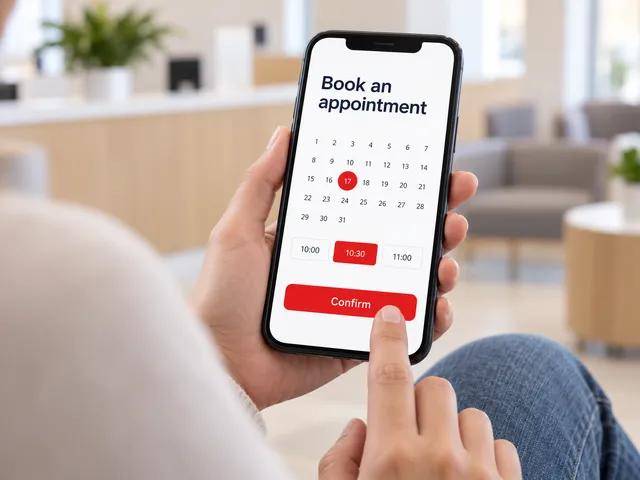
By providing patients with the ability to book appointments online, clinics can eliminate the need for phone calls and physical queues. This feature allows patients to choose convenient time slots and reduces the likelihood of no-shows, leading to better resource utilization and improved patient satisfaction.
Real-Time Queue Updates
Keeping patients informed about their queue status in real-time is crucial for managing expectations and reducing anxiety. A queue management system can display digital signage or send automated notifications to patients, providing them with up-to-date information on their expected wait time and queue position.
Automated Notifications
Sending automated notifications to patients regarding appointment reminders, queue status updates, or any changes in scheduling can significantly improve communication and patient satisfaction. These notifications can be delivered via SMS, email, or through a dedicated mobile application.
Integration with Electronic Health Records
Seamless integration with electronic health record (EHR) systems allows clinics to access patient information quickly. This integration enables staff to retrieve medical records, update patient details, and maintain a comprehensive record of each patient’s visit, ensuring continuity of care and enhancing the overall patient experience.
Different Types of Queue System used in Clinics
- Basic Queue Number Calling Clinic Queue System – Clinic requires a Ticket Dispenser to be issued to the customer. During their turn, their queue number will be called via a LED digital display or a Queue TV display.
- Enhanced Clinic Queue Management System – Clinic which offers an array of services ranging from GP consultation, Vaccination Services, Medical Examinations, Healthscreening Checkups, which requires customers to move from one service to another. The Queue System needs to be able to plan the journey of the customer so that the patient will not be “Missing” from the system at any point in time.
- Appointment-Integrated Clinic Queue System – Clinic requires customers to book in advance so that the clinic is able to prepare the items required for the service. The Clinic also requires to book upcoming appointments for the patient. And wants to manage both the walk in queue together with the appointment holders.
Benefits of Implementing a Clinic Queue Management System
Implementing a clinic queue management system offers numerous benefits for both patients and healthcare providers.
Reduced Wait Times
One of the primary advantages of a queue management system is the significant reduction in wait times. By implementing efficient appointment scheduling and real-time queue updates, clinics can minimize waiting times for patients, resulting in improved patient satisfaction and overall experience.
Improved Staff Efficiency
Automating routine tasks such as appointment booking, registration, and queuing enables clinic staff to focus on providing quality care. This increased efficiency not only benefits patients but also enhances staff productivity, reduces stress, and promotes a positive work environment.
Enhanced Patient Satisfaction
A well-organized clinic with reduced waiting times and improved communication fosters a positive patient experience. By implementing a queue management system, clinics can enhance patient satisfaction levels, leading to increased loyalty and positive word-of-mouth recommendations.
Better Resource Utilization
Efficient clinic queue management allows for better resource allocation and utilization. With accurate data on patient flow and demand patterns, clinics can optimize staffing levels, allocate resources effectively, and improve overall operational efficiency. As a starting point, you can estimate how many registration counters or consultation rooms your patient volume requires with our free queue staffing calculator.
Case Study: Successful Implementation of a Clinic Queue Management System
Crawfurd Medical Centre, located in Suntec City Singapore, was running for 3 years without a queue management system. It provides many services ranging from Consultation, Pre Employment Medical Examination, Health screening, to Beauty Related services. The customer process flow was all based on memory, where a single person will have to direct the customer to the next service point. This results in unnecessary long wait times, and everything had to be very dependent on the right manpower. The google rating was 3.6 before it had a queue management system.
After using Qtech’s Clinic Queue management system, which uses a QR code to allow patients to scan and register via their NRIC to join the queue before physically arriving had meant that they could now wait in the comfort of their office/home. They would then be notified via the SMS when their turn is near. When serving the patient, the staff would already have their patient information pulled from their EMR system automatically and displayed on Qtech’s Virtual Keypad, allowing a smooth and quick registration process.
Qtech also had implemented a “Patient Journey” module, which allowed the staff to plan the patient service points. (Eg. Registration to Consultation, and then to Radiology Scans before going back to the doctor.) The patient would also be able to track their journey via the QStatus Weblink which shows their next service point and their current position in the queue.
Qtech’s implementation of the Queue System has immensely reduced the patient wait times, reducing the manpower dependence, while increasing the Google Reviews Rating to 4.3 (as per recorded on May 2023).
Choosing the Right Clinic Queue Management System
When selecting a clinic queue management system, there are several factors to consider to ensure the solution aligns with the clinic’s specific needs and requirements.
Scalability and Customization
It is crucial to choose a system that can scale as the clinic grows and adapts to changing demands. The system should offer customization options to tailor workflows and features to the clinic’s unique processes and preferences.
Integration Capabilities
Seamless integration with existing systems, such as EHR and appointment scheduling software, is vital for efficient data exchange and smooth operations. The chosen system should provide robust integration capabilities and support interoperability.
User-Friendly Interface
A user-friendly interface simplifies staff training and system adoption. Intuitive navigation, clear instructions, and minimal learning curves contribute to a smooth transition and ensure that staff can leverage the system effectively.
Data Security and Compliance
Patient data security is of utmost importance in healthcare. The clinic queue management system should adhere to data protection standards, encryption protocols, and compliance regulations such as HIPAA, ensuring patient information remains secure and confidential.
Future Trends in Clinic Queue Management
As technology continues to advance, several trends are shaping the future of clinic queue management:
- Artificial Intelligence and Machine Learning: AI and ML algorithms can analyze historical data to predict patient demand, optimize appointment scheduling, and improve resource allocation, resulting in more efficient clinic operations.
- Mobile Applications: Mobile apps dedicated to clinic queue management are becoming increasingly popular. These apps allow patients to book appointments, receive notifications, and access their medical records conveniently from their smartphones.
- Virtual Queues: Virtual queues enable patients to wait remotely, reducing the need for physical waiting areas. Patients can receive updates and join the queue digitally, enhancing convenience and minimizing contact in the clinic.
- Data Analytics and Insights: Advanced analytics tools can provide clinics with valuable insights into patient flow, waiting times, and staff performance. This data-driven approach allows clinics to make informed decisions, optimize processes, and further enhance patient experience.
Conclusion
An effective clinic queue management system shortens waits, frees staff to focus on care, and lifts patient satisfaction, as the Crawfurd Medical Centre example shows. Qtech scales from a single clinic to a multi-site group, with online booking, virtual queues, SMS updates, and patient-journey routing. Contact us for a quote sized to your clinic.
Commonly Used Products
Mix and match what you need. Every product works with the same queue.
Appointment System
Customers book a time slot online and check in when they arrive.
Learn more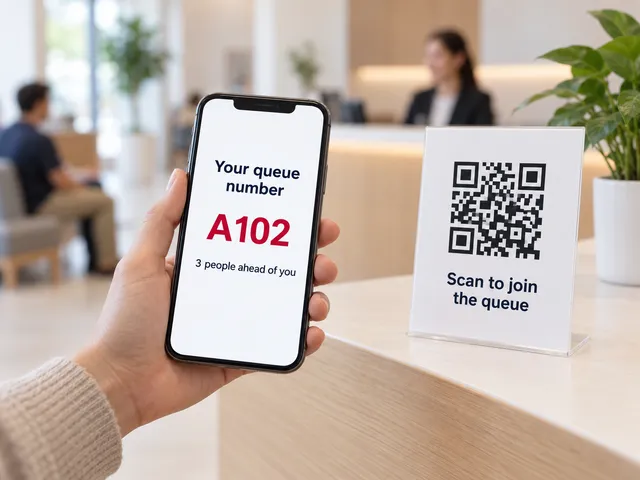
Virtual Queue
Scan a QR code to join the queue from any phone. No app needed.
Learn more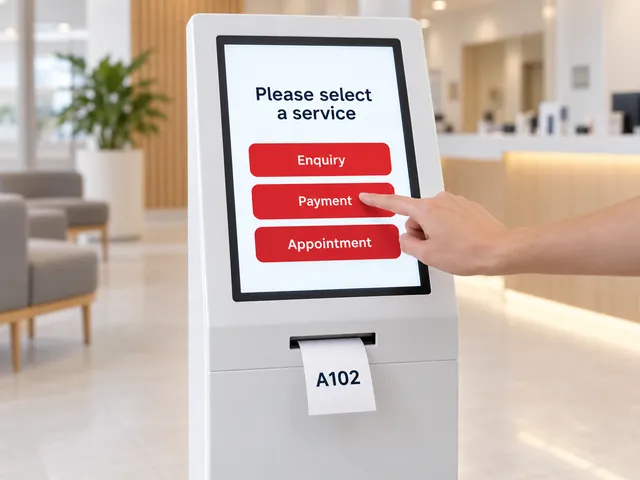
Self-Service Kiosks
A touchscreen kiosk to choose a service and print a ticket.
Learn more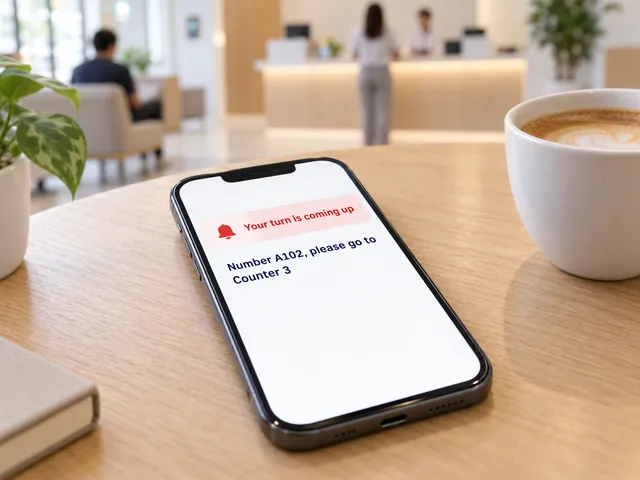
Smart Notifications
SMS and web alerts call customers back when their turn is near.
Learn more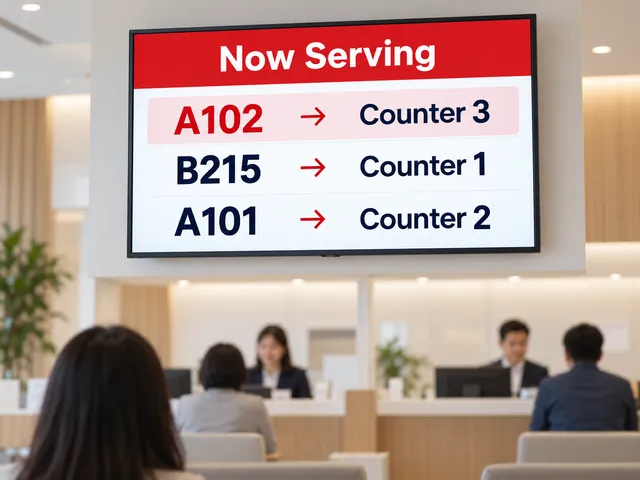
Queue Display
A now-serving screen on any TV shows which number goes to which counter.
Learn more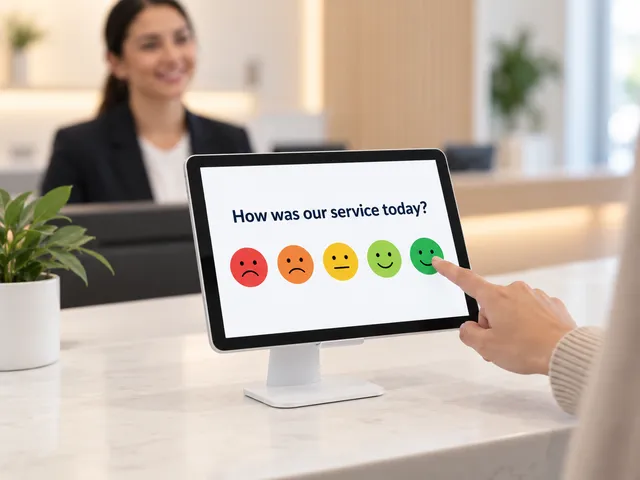
Feedback Module
Collect a rating after service and spot problem counters early.
Learn more
Our Clinic Clients


Related: Hospital Queue Management System — for larger healthcare facilities and multi-department patient flow.
Frequently Asked Questions
How much does a clinic queue management system cost?
Pricing is tailored to your operation and depends on the number of outlets, counters, and features you need. Contact Qtech for a quote sized to your clinic.
How long does it take to implement?
Most deployments go live within a few weeks. Qtech maps your patient flow, configures services and counters, trains staff, and runs a pilot before go-live.
Can patients join the queue without an app?
No app needed. Patients scan a QR code to join a virtual queue and track their place from any phone, or take a ticket at a self-service kiosk.
Does it support multiple outlets and counters?
Yes. Qtech manages multiple outlets, locations and counters from one dashboard, with real-time monitoring and reporting.
Can it integrate with our existing systems?
Yes. Qtech can connect with appointment and other business systems via API where supported, so bookings and records stay in sync. Share your systems and we will confirm what is possible.
Is it suitable for both single clinics and multi-site groups?
Yes. Qtech runs from a single clinic to a multi-location group from one dashboard, with appointment booking and SMS reminders to reduce no-shows.